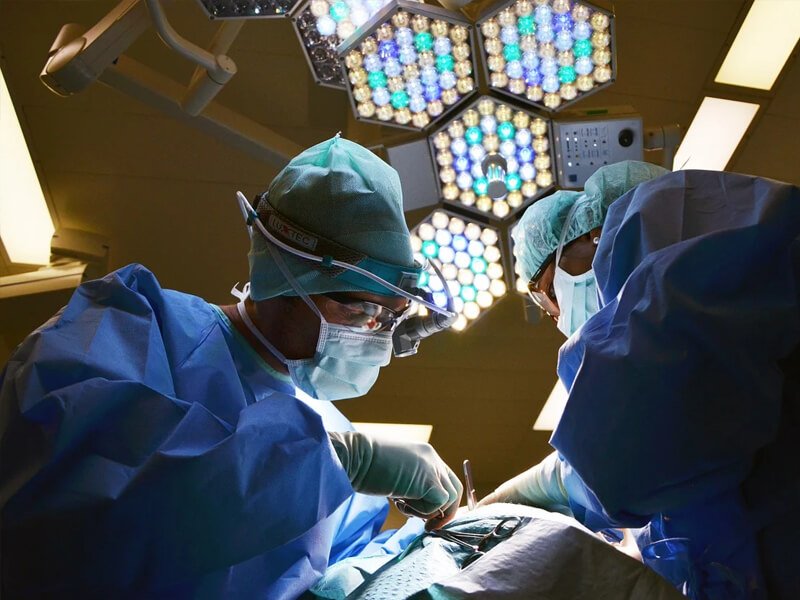
Laparoscopic surgery, also known as minimally invasive surgery, has transformed modern surgical care. Instead of large incisions, surgeons operate using small cuts, a camera, and specialized instruments—resulting in faster healing and minimal discomfort.
What is Laparoscopic Surgery?
Laparoscopic surgery involves inserting a thin camera (laparoscope) through a small incision, allowing surgeons to view internal organs on a high-resolution monitor and perform precise procedures.
- Gallbladder removal
- Appendectomy
- Hernia repair
- Ovarian cyst & hysterectomy
- Diagnostic laparoscopy
Key Benefits of Laparoscopic Surgery
Minimal Pain
Smaller incisions lead to less pain and discomfort.
Faster Recovery
Most patients resume normal activities sooner.
Lower Risk
Reduced infection and complication rates.
Recovery Time After Laparoscopic Surgery
Recovery varies based on the procedure and patient health, but most laparoscopic surgeries allow discharge within 24 hours.
- Hospital stay: Same day or 1 day
- Return to daily activity: 5–7 days
- Complete healing: 2–3 weeks
When Should You Contact a Doctor?
Seek medical attention if you experience:
- Severe or worsening pain
- Fever or chills
- Persistent vomiting
- Redness or discharge from incision site
At Anmol Health Care & Stone Clinic, laparoscopic surgeries are performed under expert guidance using modern equipment, ensuring safety, precision, and faster recovery.